- Home
- Products
- Medical Waste Autoclave Shredder
- Medical Waste Autoclave
- Medical Waste Shredder
- Tire Tyre Shredder
- Waste Wood Shredder
- Plastic Lump Purge Shredder
- Paper And Cardboard Shredder
- Large Diameter HDPE Pipe Shredder
- Double Single Shaft Shredder
- Cable Wire Shredder
- Woven Bag Shredder
- Scrap Metal Shredder
- Shredder Crusher Machine
- Single Shaft Shredder
- Double Shaft Shredder
- Plastic Film Shredder
- Textile Fabric Cloth Shredder
- Pallet Shredder
- Biomass Shredder Machine
- Scrap Metal Shredder
- Four Shaft Shredder
- Shredder Blades
- Plastic Accessory Machinery
- Solution
- PP PE Film Recycling Machine
- Plastic Pallet Recycling
- Aluminum Plastic Recycling
- PVC Pipe Recycling
- PET Bottle Recycling
- Fabric Textile Recycling
- Wood Pallet Recycling
- Wood Recycling Machine
- PP Woven Bag Recycling
- Medical Waste Recycling
- Tire Recycling Shredder
- Bulky Waste Recycling
- Hazardous Waste Treatment
- Waste PVC Recycling
- Fiberglass Shredding Recycling
- PCB Recycling
- Carpet Recycling
- Foam Recycling Shredder
- Cable Recycling Plant
- Radiator Recycling Machine
- IBC Recycling
- Car Bumper Recycling
- RDF Recycling System
- Food Waste Disposal Machine
- Plastic Rotational Molding Water Tank Recycling
- Rice Straw Shredder Recycling Machine
- Applications
- PET Plastic Bottle Plastic Container
- Plastic Bucket Drum Barrel
- Industrial Agricultural Plastic Film
- PVC WPC SPC Plastic Floor
- Plastic Furniture / Plastic Chair
- Plastic Lump Purges
- Plastic Pallet / Plastic Tray
- PVC HDPE PPR Plastic Pipe
- Computer TV Refrigerator Shell
- PVC Fiber Reinforced Hose
- Woven Bag Jumbo Raffia Bag
- EPS PS PUR PVC PE PF Foam
- CD & DVD
- Waste Sponge
- Tire Tyre
- Coconut Husk/ Shell
- Wood Pallet/Tray/Timber
- Medical Waste
- Animal Bone
- Organic Waste
- Vehicle Bumper
- Video
- About Us
- News
- Contact Us
- 20 years focusing on recycling

Location
Zhangjiagang City, Jiangsu Province, China.
Email address
Phone
+86-512-58810860


High-Efficiency Wood Pulverizer Wood Processing Equipment
In multiple fields such as wood processing, biomass energy, and chemical materials, the wood pulverizer, as a key equipment for realizing refined wood processing, is becoming the core force driving the green development of the industry and resource recycling with its stable performance, wide applicability, and efficient conversion capacity. Below is a comprehensive analysis of this multi-functional wood flour processing equipment from aspects of machine description, application scenarios, working principle, core advantages, and core values.
 Inquire
XWood Pulverizer Wood Processing Equipment Description:
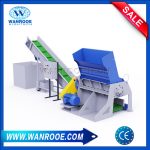
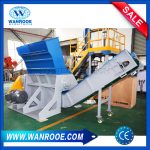
The equipment is equipped with an intelligent control system, featuring a concise and intuitive operation panel that allows precise adjustment of parameters such as feeding speed, grinding fineness, and output. It also integrates safety functions such as overload protection and fault alarm, greatly reducing operational difficulty and safety risks. In addition, the equipment reserves flexible installation interfaces, which can be seamlessly connected with auxiliary equipment such as wood chippers, conveyors, and dust collectors to form a complete wood flour production line, meeting the production needs of different scales.
Wood Pulverizer Wood Processing Equipment Application Scenarios
1.Wood Processing Industry: Used for processing logs, scrap wood, wood chips, shavings, etc. The produced wood flour can be used to make artificial boards such as particleboard, MDF, and plywood, realizing the resource recycling of wood waste;
2.Biomass Energy Industry: Wood flour is used as raw material for biomass pellet fuel, which is pressed into environmentally friendly pellet fuel to replace coal for heating, power generation, etc., helping the transition to clean energy;
3.Chemical and New Materials Industry: Wood flour can be used as a filler in the production of plastics, rubber, coatings, adhesives, and other products, reducing the consumption of chemical raw materials and improving the environmental performance of products;
4.Agricultural Field: Wood flour can be used to make organic fertilizers, edible fungus cultivation substrates, or as feed additives, realizing the recycling of agricultural and forestry waste;
5.Other Fields: In industries such as papermaking, mosquito coil production, incense stick manufacturing, and handicraft processing, wood flour also serves as an important raw material, providing basic material support for product production.

Wood Pulverizer Wood Processing Equipment Working Principle
1.Feeding Stage: Wood raw materials (logs, scrap wood, etc.) are sent to the feed inlet through a conveyor. The feed inlet is equipped with an adjusting device to control the feeding speed and avoid equipment overload caused by excessive feeding;
2.Crushing Stage: After entering the crushing chamber, the raw materials are sheared and impacted by the high-speed rotating cutterhead, initially crushed into small wood chip particles, laying the foundation for the subsequent grinding process;
3.Grinding Stage: The crushed wood chips enter the grinding chamber, collide and rub violently with the high-speed rotating grinding rotor. At the same time, driven by the air flow inside the grinding chamber, the materials are repeatedly ground between the rotor and the liner, gradually refined into wood flour;
4.Classification Stage: The ground wood flour enters the classification chamber with the air flow. The impeller inside the classification chamber performs precise classification of the wood flour by adjusting the rotating speed. The wood flour that meets the fineness requirements will enter the collection system with the air flow, while the unqualified coarse particles will be sent back to the grinding chamber for re-grinding, ensuring uniform fineness of the finished product;
5.Collection Stage: The qualified wood flour enters the pulse dust collector through the pipeline. Under the action of the dust collector, gas-solid separation is realized. The wood flour is collected in the silo, and the purified gas is discharged through the exhaust pipe, achieving environmentally friendly emission.
Wood Pulverizer Wood Processing Equipment Core Advantages
1.High Efficiency and Energy Saving: Adopting an optimized cutterhead and grinding rotor design, combined with a high-power motor and a reasonable transmission structure, it has high material processing efficiency. The energy consumption per unit output is much lower than that of traditional equipment, which can effectively reduce production costs;
2.Adjustable Fineness: By adjusting the rotating speed of the classification impeller and the cutter specifications, the finished product fineness can be adjusted between 40-500 mesh, meeting the diverse needs of different industries with strong flexibility;
3.Stability and Durability: Core components are treated with high-strength alloy materials and wear-resistant coatings, featuring strong wear resistance and impact resistance. The equipment has a long service life, reducing maintenance and replacement costs;
4.Environmental Protection and Cleanliness: Equipped with a high-efficiency pulse dust collector with a dust removal efficiency of over 99%, effectively controlling dust pollution and meeting environmental emission standards; at the same time, the equipment operates with low noise, providing a good working environment for operators;
5.Easy Operation: The intelligent control system simplifies the operation process, with precise and intuitive parameter adjustment. No professional technicians are required to get started quickly; the equipment structure is designed for easy disassembly, cleaning, and maintenance, reducing operation and maintenance difficulty;
6.Wide Adaptability: It can process various wood raw materials such as pine, poplar, birch, and miscellaneous wood, and is also compatible with materials of different forms such as wood scrap, wood chips, and shavings, with a wide range of applications.
Core Values
1.Resource Recycling Value: Converting wood processing waste and agricultural and forestry waste into high-value-added wood flour products, realizing “turning waste into treasure”, improving resource utilization rate, reducing environmental burden, and contributing to the development of circular economy;
2.Cost Saving Value: Providing downstream industries with low-cost and high-quality wood flour raw materials to replace some high-priced chemical raw materials or virgin wood, helping enterprises reduce raw material procurement costs and enhance product market competitiveness;
3.Efficiency Improvement Value: The integrated design and efficient processing workflow greatly shorten the wood processing cycle, improve production efficiency, meet the large-scale production needs of enterprises, and help enterprises expand production capacity and increase benefits;
4.Environmental Compliance Value: The equipment meets environmental protection standards, with up-to-standard dust and noise emissions, helping enterprises avoid the risk of environmental penalties, and establishing a corporate image of green production, in line with the current environmental policy orientation;
5.Industry Empowerment Value: Promoting the technological upgrading and industrial transformation of related industries such as wood processing, biomass energy, and chemicals, providing equipment support for the high-quality development of the industry, and facilitating the coordinated development of the upstream and downstream industrial chains.
Leave a Reply
| Parameter | Specification |
|---|---|
| Core Model | WRWP-65 |
| Suitable Raw Material | Sawdust, Wood Shavings, Rice Husk, etc. |
| Feedstock Requirement | Size <5 mm; Moisture Content <13% |
| Product Fineness | 80 Mesh (Standard, Adjustable) |
| Output Capacity | 100-150 kg/h (at 80 mesh) |
| Total Installed Power | ≈ 66.8 kW |
| Floor Area | ≈ 35 ㎡ |
| System Height | ≈ 5.5 m |
| Key Configuration | Feeder, Main Pulverizer, Cyclone Separator, Air Lock, Fan, Baghouse Dust Collector, Cyclone Screener, Control Panel. |





Leave a Reply